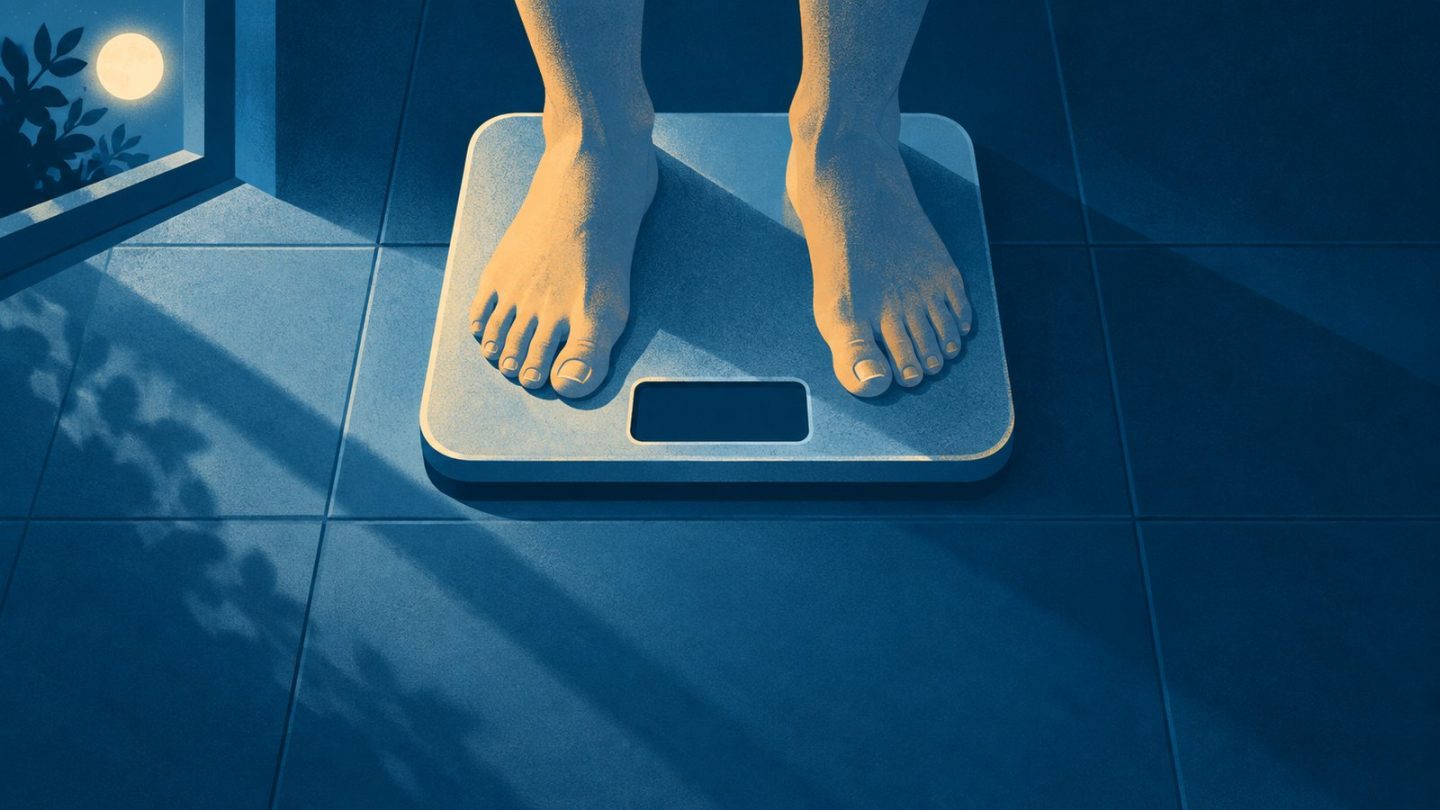
Why Do We Weigh More at Night?
Explore the continuous physiological cycle that causes natural weight gain throughout the day and mass loss overnight.
Explore the continuous physiological cycle that causes natural weight gain throughout the day and mass loss overnight.


Can you eat chips on a low residue diet? We analyze the residue content, fat irritants, and provide safe snack alternatives for digestive rest.
Maintain healthy digestion while fasting. Learn the physiology and discover safe, actionable strategies for prevention and relief.
We break down whether post-bowel movement weighing is effective and reveal the true drivers of daily scale changes for better tracking.
Learn how body mass increases metabolic heat and impedes dissipation, triggering a compensatory increase in thermoregulatory sweat output.
Learn the scientific reality of losing 1 lb daily. We explain the caloric math, temporary water weight drops, and the serious health risks of extreme deficits.
From calipers to DXA scans, here’s how different body composition methods work and which one fits your needs and budget.
Low body fat compromises vital functions. Learn the risks of insufficient essential fat on your hormones and long-term health.
Discover the real weight loss potential of an 800-calorie daily burn. We cover the math, metabolic challenges, and sustainability factors.
Most people can lose 10–50 lbs in a year, but how much you keep off matters more than how fast it comes off.
Learn how subtle, spontaneous movement contributes to Non-Exercise Activity Thermogenesis (NEAT) and its significant role in energy balance.