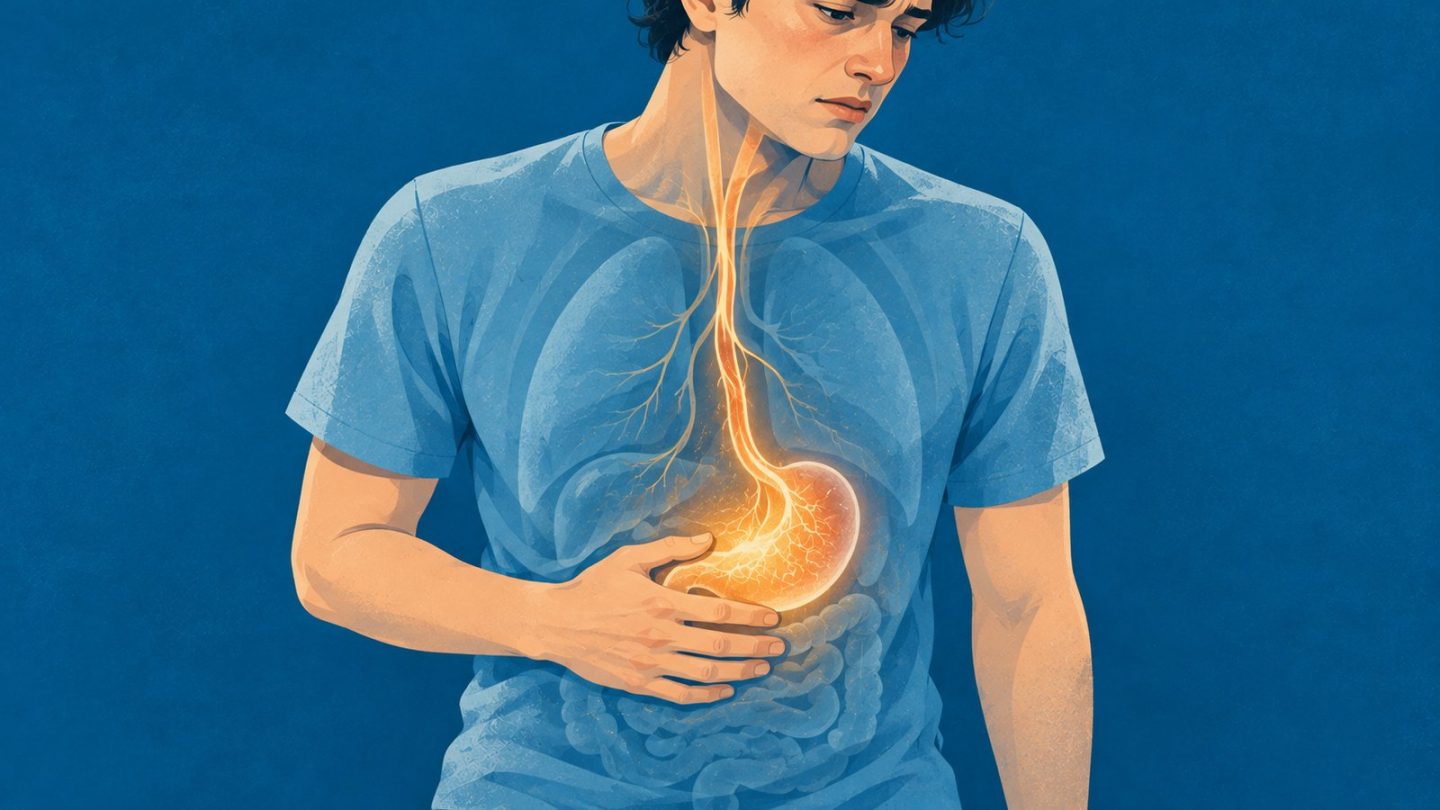
Why Do We Get Butterflies? A Scientific Explanation
Ever wonder why you get “butterflies”? This article scientifically explains the physiological processes behind this common gut feeling.
Ever wonder why you get “butterflies”? This article scientifically explains the physiological processes behind this common gut feeling.

A closer look at the visual hallucinations and distortions some people with schizophrenia experience, and what the brain is actually doing to cause them.
Beyond common myths, understand the intricate link between OCD and intellect. Discover how the disorder shapes cognitive function and daily life, not inherent ability.
Psychology draws a clear line between sexual desire and biological necessity. Here’s what the research says about where sex actually falls.
Rooted in a famous marketing hoax, subliminal images reveal how our brains perceive hidden stimuli and the subtle, limited nature of their actual influence.
Supportive words for someone awaiting biopsy results, including what to avoid and how to offer real comfort during an anxious wait.
Being high strung isn’t just a personality quirk—it affects your body too. Learn the signs, causes, and ways to ease an overactive stress response.
Learn the terms for when someone repeatedly puts you down, why it happens, and how it affects you over time.
Learn how the neurotransmitter serotonin impacts well-being, from mood to sleep, and explore the factors and strategies that help maintain its balance.
Explore the intricate brain chemistry linked to Obsessive-Compulsive Disorder and how understanding these connections guides effective treatment approaches.
From alexithymia to emotional blunting, there are several reasons someone might struggle to feel or identify emotions — and most are treatable.