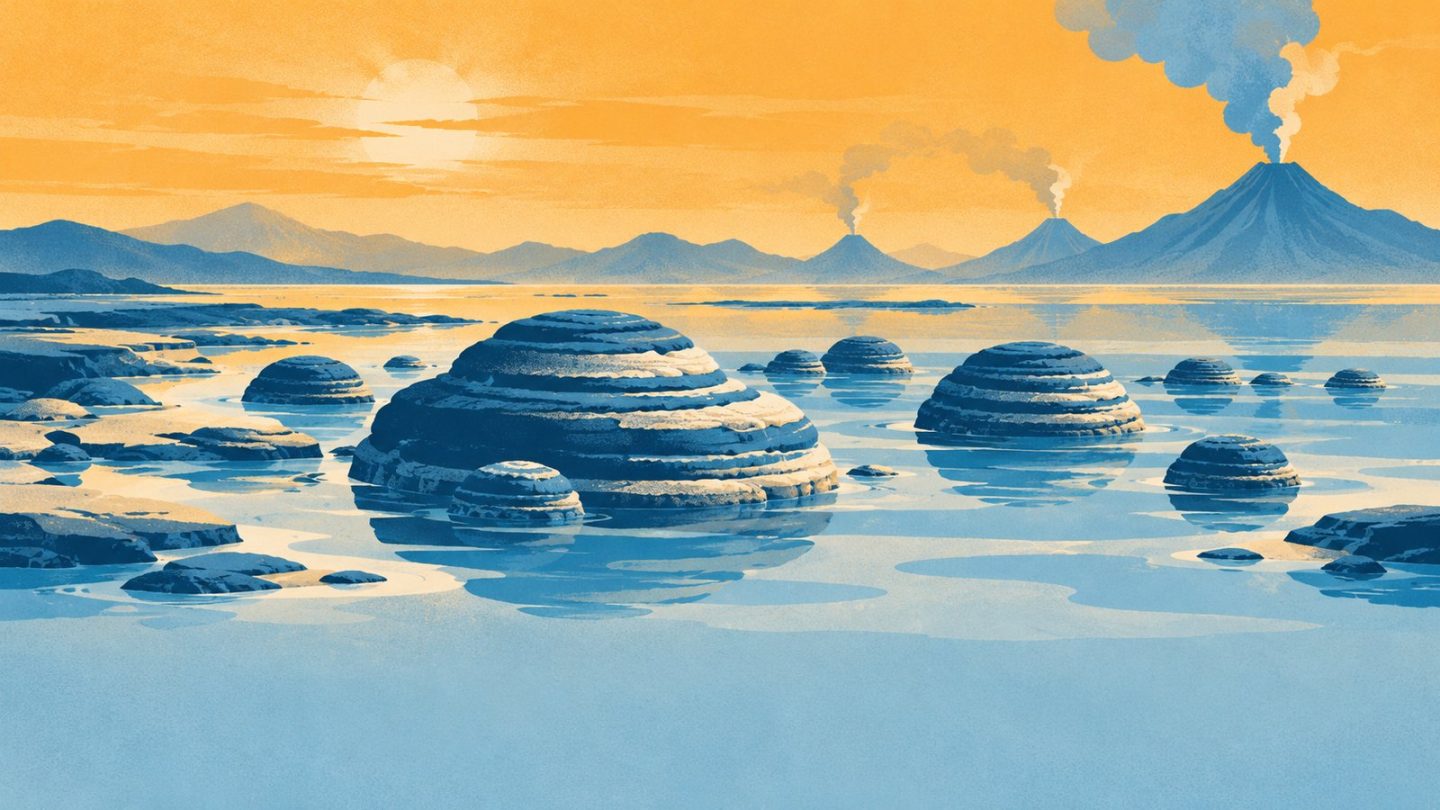
What Was the First Life on Earth & How Did It Begin?
Understand how scientists use geological, chemical, and genetic evidence to reconstruct the emergence of life from Earth’s early, volatile environment.
Understand how scientists use geological, chemical, and genetic evidence to reconstruct the emergence of life from Earth’s early, volatile environment.
Explore the nutritional strategy where life sustains itself by consuming other organisms, breaking down complex matter to fuel growth and energy.
Uncover the diverse ways the human body regenerates and repairs itself, from continuous renewal to specific organ restoration, and why some tissues have limitations.
Explore the genomics, pathogenicity, and antibiotic resistance of Citrobacter amalonaticus and its impact on human health.
Learn about the scientific process of human decomposition in water, exploring key environmental influences and their vital forensic implications.
Understand the serious health risks and potential consequences of ingesting fecal matter, and when expert medical advice is crucial.
Explore how cells intrinsically detect and adapt to fluctuating oxygen levels, a fundamental biological process crucial for survival and health.
Discover the fundamental genetic material of Influenza A, how it replicates, and the significant role of this viral blueprint.
Learn about hexokinase, the enzyme that initiates energy production by trapping glucose in cells and tailoring its activity to meet the body’s demands.
Explore the key environmental and biological factors influencing pathogen survival and growth dynamics.
Unpack the fundamental differences between negative and positive feedback, revealing how life regulates stability and initiates critical processes.