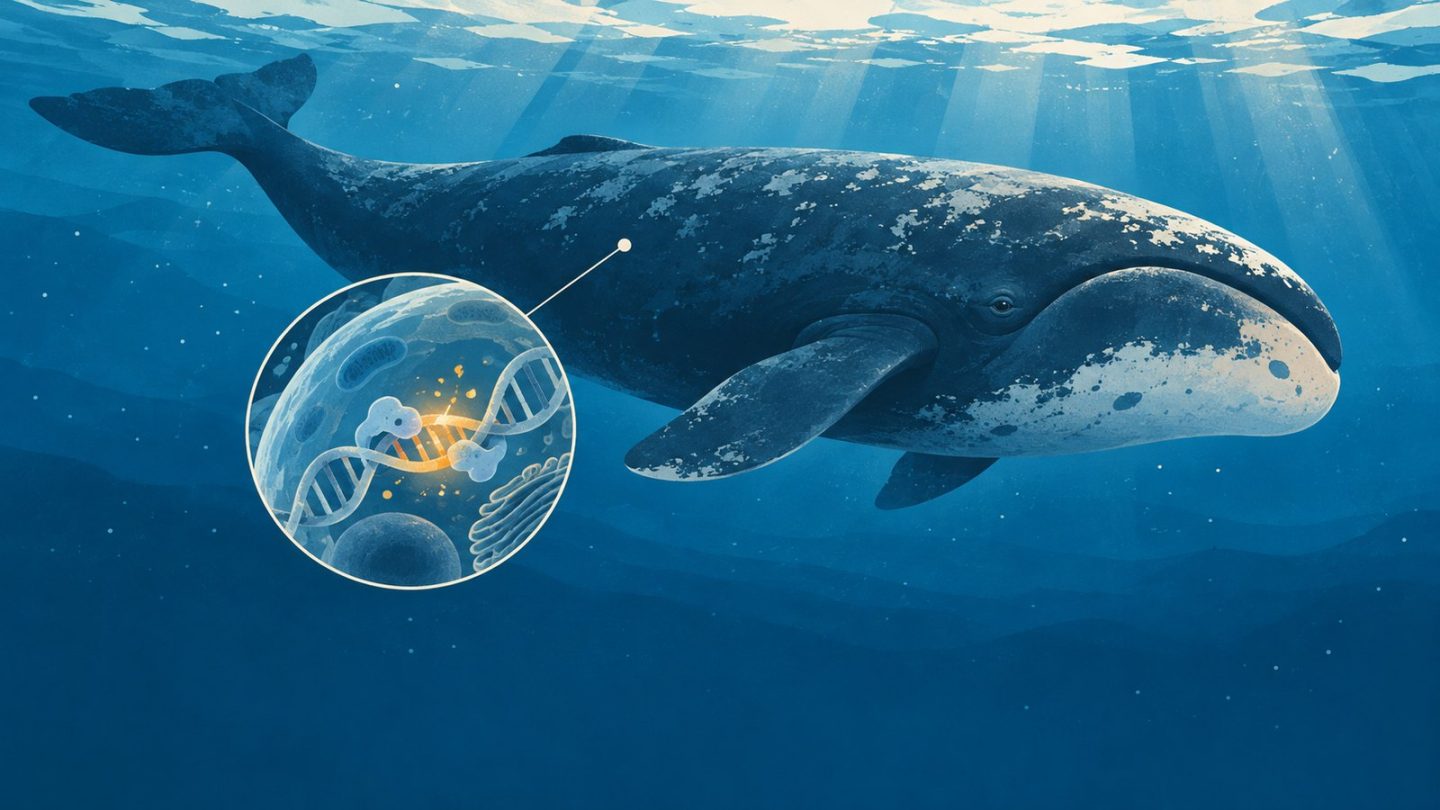
Can Whales Get Cancer & Why Is It So Rare?
Explore how whales, despite their immense size, exhibit remarkable cancer resistance. Understand the science and its implications for human health.
Explore how whales, despite their immense size, exhibit remarkable cancer resistance. Understand the science and its implications for human health.
Hiatal hernias don’t cause cancer directly, but resulting chronic acid reflux increases risk by creating Barrett’s Esophagus.
Demystify serous carcinoma with this in-depth guide. Understand the nuances of this medical condition and the structured approaches to its understanding and care.
Gain insight into melanoma’s lifecycle, from its cellular inception to how it advances and disseminates within the body.
Understand the reality of tumor resolution. We detail when benign growths shrink naturally and how modern medicine successfully eliminates malignant tumors.
“Anaplastic” describes cancer cells that appear highly disorganized and undifferentiated, a key finding that indicates a tumor’s aggressive nature and guides treatment.
Clarifying the precise anatomical designation of subpectoral lymph nodes and why this location is critical for medical diagnosis and staging.
Uncover the scientific consensus on smoking cannabis and esophageal cancer. Explore the evidence and complexities of this health question.
Though rare, cancer affects the fingers. Learn to spot the subtle warning signs often misdiagnosed and understand treatment options.
Discover the biological process and clinical criteria that determine how bladder cancer moves within the body and affects prognosis.
Stage 3 breast cancer is serious, but many people achieve long-term remission. Learn how subtype, treatment, and individual factors shape your outlook.