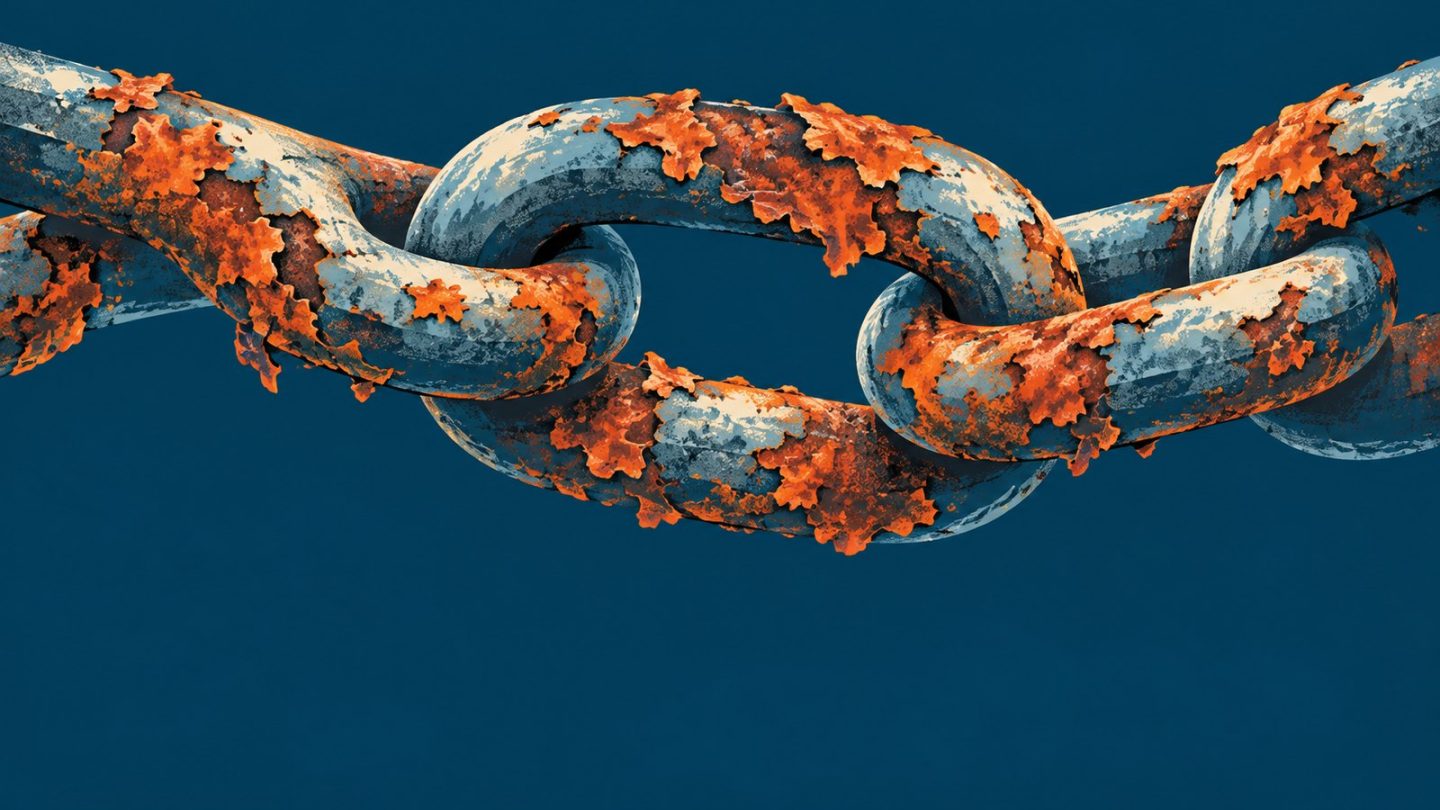
Why Is Iron Red? The Chemistry of Rust and Blood
Uncover the chemistry that links the red color of rust to the vibrant hue of human blood, explaining iron’s crucial role in both.
Uncover the chemistry that links the red color of rust to the vibrant hue of human blood, explaining iron’s crucial role in both.
Sodium hydroxide: Why this strong chemical base is dangerous in concentrate but essential and safe when properly processed for consumer use.
Clarify the difference between distilled water and pure water. Understand their scientific definitions, unique properties, and practical applications.
Does aluminum melt in a fire? Understand the key role of temperature, the protective oxide layer, and why alloys lose integrity long before liquefying.
Benzoate preserves food, appears in cosmetics, and treats a rare genetic disorder. Learn where it naturally occurs and what safety limits mean for you.
Explore why elemental iodine’s phase state is confusing and the specific conditions required to observe its rare liquid form.
Delve into methanol’s viability as a fuel. Evaluate its intrinsic attributes, environmental potential, and the practicalities shaping its role in energy.
Explore the fundamental atomic and structural reasons behind carbon’s immense versatility and reactivity, from its bonding capabilities to diverse forms.
Uncover the scientific truth of spontaneous combustion. Learn how internal heat generation causes materials to ignite without an external spark.
Get a comprehensive understanding of what makes magnesium highly reactive, from its atomic structure to its chemical ranking.
Explore the fundamental scientific reasons—from atomic design to molecular weakness—that make Fluorine supremely reactive.