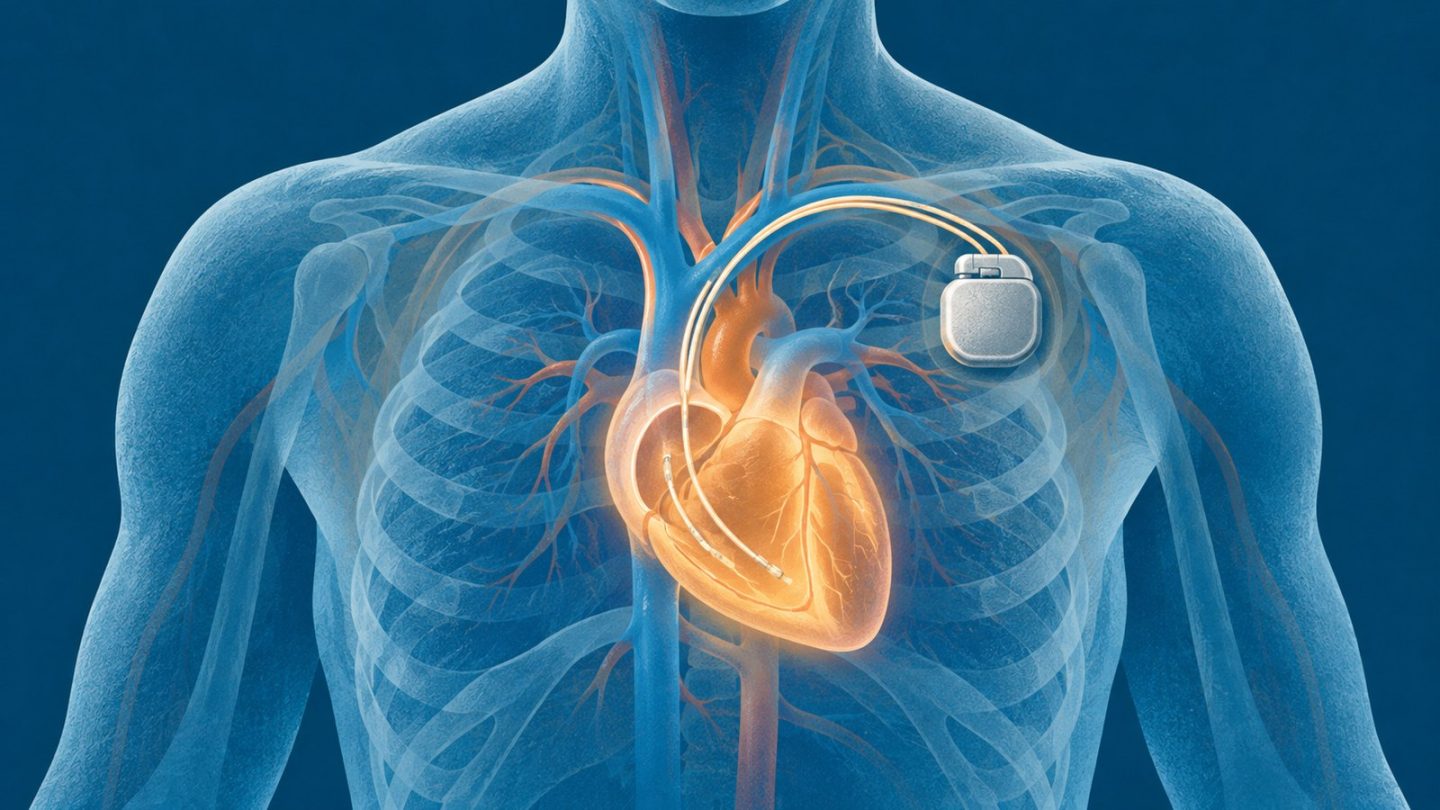
Who Invented the Pacemaker and How Did It Work?
Trace the pivotal journey of the pacemaker, from its ingenious conception to its continuous evolution in revolutionizing heart rhythm control.
Trace the pivotal journey of the pacemaker, from its ingenious conception to its continuous evolution in revolutionizing heart rhythm control.
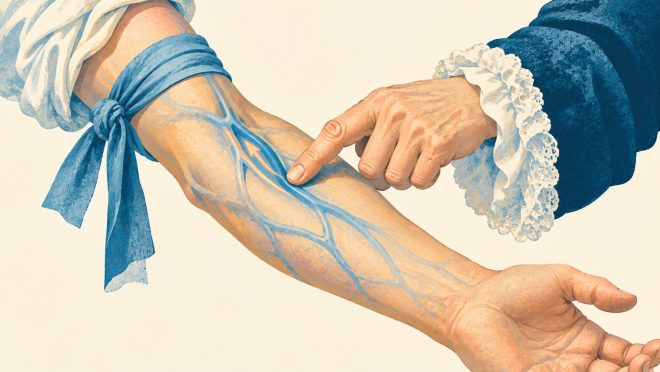
Decode the medical meaning of ‘-penia’ (deficiency) and how it contrasts with ‘-cytosis’ (excess) in blood count terminology.
Understand the systemic pressures that are currently defining the future of healthcare access, quality, and financial sustainability.
Discover the key development in penicillin’s production that dramatically improved soldier survival and transformed wartime medicine in WWII.
Master medical literacy by tracing the root meaning of the prefix ‘Epi’ across diverse clinical contexts.
Body autonomy means you control what happens to your body. Here’s how that right shapes medicine, reproduction, end-of-life care, and even your DNA.
Essential guide to MIPS in dermatology: linking quality reporting, Medicare reimbursement rules, and practice standards.
Sensitive analysis of the biological facts and medical safeguards that confirm a body cannot feel pain during cremation.
Understand what a medical episode is, its key characteristics, and how these sudden health events can impact daily life and safety.
Understand how a patient’s health can subtly decline and the systematic process involved in recognizing and addressing these crucial shifts in a medical environment.
Clarify the precise distinction between direct causes and influential risk factors to better interpret complex information.